
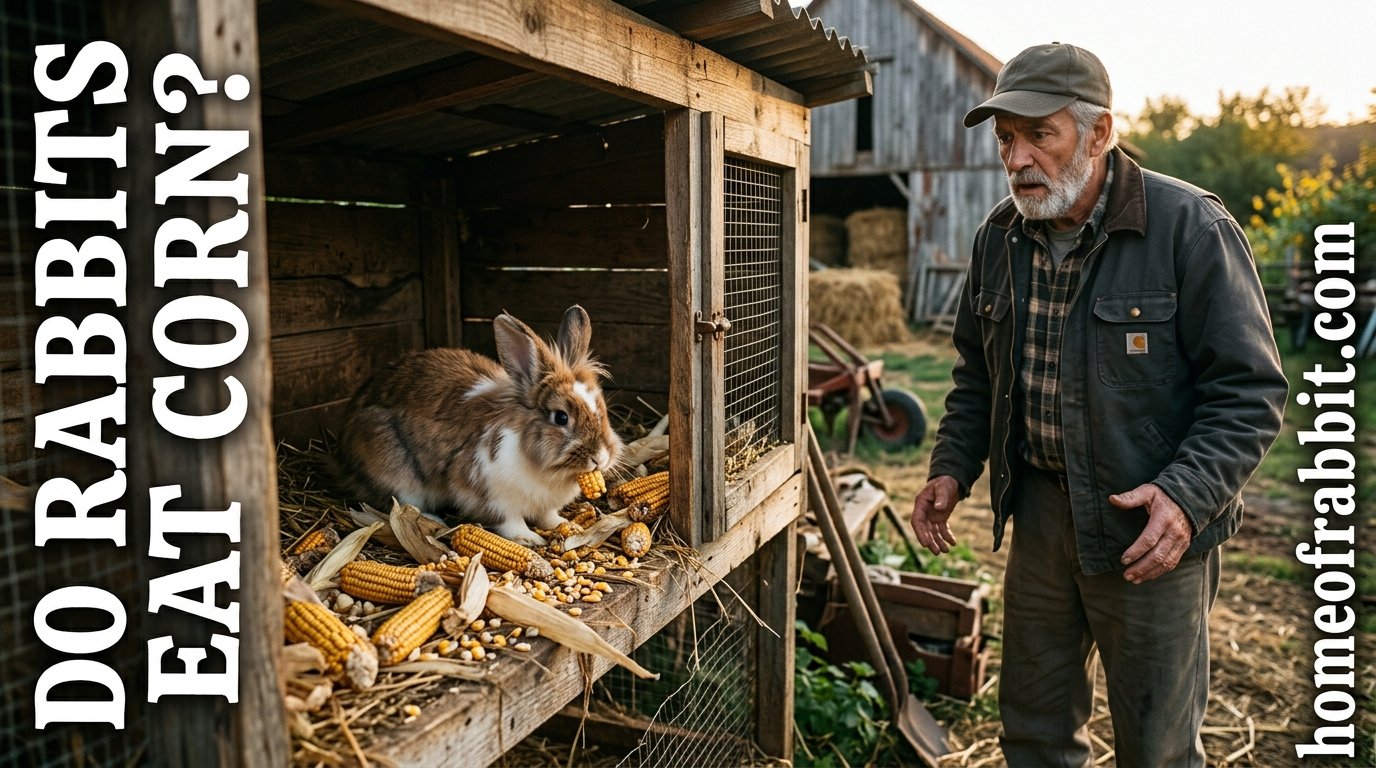
Yes, many rabbits will happily eat corn. They’ll take it from your hand, nibble a cob, or pick kernels out of a mixed feed. But will eat and should eat are different things. Corn isn’t recommended for pet rabbits, and the risks outweigh the small enjoyment they get from it.
This guide explains why, which forms of corn are the riskiest, what to do if your rabbit has already eaten some, and which treats are better choices.
Can rabbits eat corn? The short answer
Corn isn’t a good food for rabbits. One care source advises against feeding rabbits potatoes, corn, beans, seeds or nuts, because these foods are difficult to digest and can cause serious digestive problems. The House Rabbit Society, a leading rabbit welfare organization, goes further in its pellet advice: never feed pellets that have fruits, seeds, nuts, corn, or yogurt drops mixed in. lacocinadegiselehouserabbit
A single kernel that slips through is unlikely to cause a crisis for most healthy rabbits. But there is no established “safe amount” of corn for a pet rabbit, so the practical answer is to leave it out.
Why corn is a poor fit for a rabbit’s digestive system
Rabbits are built for a diet of grass and hay. Corn is nearly the opposite of that.
High starch, low fiber
A rabbit’s gut depends on a steady supply of long-stemmed fiber to keep moving. Hay is the most important part of a rabbit’s diet because it keeps the digestive system moving and helps prevent blockages. Corn is starchy and much lower in fiber than hay. When a rabbit fills up on starchy foods, it eats less hay, and that can upset the balance of the bacteria in its gut. houserabbit
The kernel hull
Many rabbit-focused sources raise a second concern: the outer hull of each kernel. Owner communities and pet-care sources report that the hulls of corn and some other seeds can be indigestible for rabbits and may contribute to intestinal impactions. These are mostly experience-based reports rather than formal studies, so treat them as caution rather than proof. binkybunny
Not everyone agrees. Some experienced breeders say dried field corn causes no problems in moderation. One breeder notes that the starch in dried livestock corn poses little risk in small amounts, but that too much corn leaves the diet short on fiber. Even in that view, the concern is imbalance rather than a clean bill of health. northernhomesteading
Weight and sugar
Sweet corn is high in sugar and starch. Rabbits that regularly get sugary or starchy foods can gain weight and develop digestive upset. Because a rabbit’s gut is sensitive, digestive problems can escalate quickly.
Which types of corn are worst?
| Form | Verdict | Why |
|---|---|---|
| Corn kernels (fresh, frozen, dried) | Avoid | Starchy, low in fiber, and the hulls may pass through undigested |
| Corn on the cob | Avoid | Cobs are tough and hard to digest, with a choking hazard and a risk of stomach upset or blockage |
| Sweet corn | Avoid | High in sugar and starch |
| Popcorn | Avoid | Still a grain with a hull. Rabbit communities warn that popped corn carries the same blockage concerns |
| Canned corn | Avoid | Adds sodium on top of the other issues |
| Corn husks and silk | Unclear, so skip | Not on standard safe-food lists. Ask a rabbit-savvy vet before offering |
| Corn mixed into pellets or “treat mixes” | Avoid | The House Rabbit Society advises pellets with no added corn, nuts, seeds, fruits or treats |
Watch out for muesli-style feed. Colorful mixes with seeds and corn pieces are marketed as rabbit food. Rabbits tend to pick out the tasty, starchy bits and leave the healthy pellets, which creates an unbalanced diet. Plain, hay-based pellets are the better choice.
What if my rabbit already ate corn?
Don’t panic. A small amount, such as a few kernels, is often passed without trouble. What matters is what you do next:
- Remove the rest. Take away any remaining corn, especially cob pieces.
- Put out plenty of hay and fresh water. Encourage your rabbit to eat hay.
- Watch closely for 24 to 48 hours. Check appetite, energy and droppings.
- Call a vet if the amount was large or the cob was chewed up. Swallowed cob pieces are the bigger worry.
Warning signs of digestive trouble
Contact an exotics or rabbit-savvy vet promptly if you notice:
- Not eating or drinking
- Few, tiny or no droppings
- A hunched posture, teeth grinding or reluctance to move
- A swollen, tight belly
- Unusual quiet or lethargy
Rabbits hide illness well, and a rabbit that stops eating can decline fast. Don’t wait to see if it passes.
What about meat or livestock rabbits?
Some rabbit breeders feed grains, including corn, as an energy supplement for nursing does or growing young. Commercial livestock feed is formulated for this. That is a different situation from a house pet. Production rabbits have different goals and shorter lifespans, and their feeds are balanced accordingly.
If you raise rabbits for meat or breeding, follow the guidance of a livestock nutritionist or your feed supplier rather than adding corn by hand. To plan portions, our rabbit feeding calculator can help.
Safer alternatives to corn
If your rabbit likes crunchy, sweet or chewy treats, these are better options:
- Fresh leafy greens: romaine, cilantro, dandelion greens, parsley and kale are on the House Rabbit Society’s safe list. Aim for at least three types of vegetables daily and introduce new ones gradually, watching for soft stools. houserabbit
- Small pieces of fruit: Fresh fruit shouldn’t be more than about 10% of the diet, roughly 1 teaspoon per 2 pounds of body weight per day. Apple (no seeds) and berries work well. houserabbit
- Hay-based treats: these support digestion and dental wear instead of working against them.
A simple rabbit diet framework
Instead of asking about individual foods, build the diet around this structure:
- Hay (about 85%): unlimited, always available. Hay should make up roughly 85% of an adult rabbit’s diet. rabbit
- Fresh vegetables (about 10%): mostly leafy greens, in variety.
- Plain pellets (about 5%): hay-based, no added corn or seeds.
- Treats: small, occasional, and fruit-based rather than grain-based.
Exact amounts depend on your rabbit’s age, size and health. Your vet can adjust them.
Conclusion
So, do rabbits eat corn? They will, but that doesn’t make it a good idea. Corn is starchy and low in fiber, kernel hulls and cobs raise digestive and blockage concerns, and there are safer treats your rabbit will enjoy just as much. If you want to share something, reach for a leaf of romaine or a slice of apple instead.
If your rabbit has eaten a lot of corn, or seems unwell after eating any, contact a rabbit-savvy vet right away.
FAQ
Can rabbits eat corn on the cob?
No. The cob is tough and hard to digest, and chewed-off pieces can cause choking or blockage.
Can rabbits eat popcorn?
It’s best to avoid it. Popcorn is a grain with a hull, and rabbit care communities warn against it. Butter and salt make it worse.
Can baby rabbits eat corn?
No. Young rabbits have even more sensitive digestion. Stick to mother’s milk, then hay and appropriate pellets, and ask your vet before introducing anything new.
Is corn poisonous to rabbits?
Plain corn isn’t considered toxic in the strict sense. The problem is digestibility and nutrition. Moldy corn is a separate concern, so throw out any spoiled corn or feed.

1 Comment
Pingback: Can Bunnies Eat Bread? What Every Rabbit Owner Should Know - homeofrabbit